


Despite their high potential for job creation, revenue generation, and the revival of local culture, creative industries in Iran continue to face structural and managerial challenges. These issues were addressed by experts during the specialized session of the “Financing and Investment Horizons in Creative Industries” event, held on the afternoon of Tuesday, September 29, at Baghe Ziba.
At the beginning of the session, Seyed Sadegh Pejman, CEO of the Institute for the Development of Culture and Arts, presented an overview of the institute’s activities and emphasized its efforts to oversee and address issues in the cultural and creative sectors. He identified three main challenges: financing, shortage of skilled human resources, and the need for moral support. He added that the necessary infrastructure to address these issues is currently under review.
Mohammad Hossein Sajadi-Niri, Chairman of the Iranian Venture Capital Association, highlighted the structural difficulties facing creative industries, including reliance on creative personnel, scalability challenges, intellectual property issues, and restrictions related to censorship, which make it difficult for venture capital investors to enter the sector. He emphasized that overcoming these challenges requires a global perspective and a windowed strategic approach, with scalability considered in both industrialization and market development. According to Sajadi-Niri, creative products can be offered in diverse formats and transformed into multiple revenue streams, facilitating the attraction of venture capital.

Panel 1: Investment Challenges in Creative Industries and Entry of Major Players
In the first panel, Naser Jahednia, CEO of the National Animation Foundation and board member of the National Foundation of Computer Games; Hassan Mishemi, Director General of New Technology Development at the Ministry of Communications; and game developers Hassan Mahdi-Asl and Amin Shahidi discussed issues related to video and digital games.
Participants highlighted challenges arising from insufficient governmental support, intellectual property concerns, lack of industry associations, and limited supportive mechanisms. They emphasized that the private sector has continued developing these industries through personal investment and risk acceptance. They also stressed the importance of monitoring actual cash flows, foreign revenues, and transferring experience to the next generation of game developers.

Panel 2: Innovative Financing Tools and Models
The second panel, featuring Mehdi Sadat Hayatshahi, Ali Amidi, Safa Sirafi, Iman Eslami, and Siavash Malekifar, focused on innovative financing methods for creative industries.
- Ali Amidi discussed the role of crowdfunding in supporting creative businesses and noted that while creative products have high potential to attract audiences and investment, return on investment and guarantees remain major challenges for startups.
- Siavash Malekifar described the experience of the Innovation and Prosperity Fund, reporting that over 22 trillion Iranian rials have been mobilized through crowdfunding, though collective financing mainly focuses on positive cash flows and early-stage startups face limitations. He also emphasized the importance of private sector involvement.
- Iman Eslami reviewed the current state of financial instruments in Iran and highlighted the need to develop asset-based tools and private equity funds to advance creative industries.
- Mehdi Sadat Hayatshahi outlined the Creative Industries Research and Technology Fund’s initiatives to expand support and mentioned ongoing negotiations with the Supreme Council of the Cultural Revolution to enable creative industries to operate alongside knowledge-based companies.
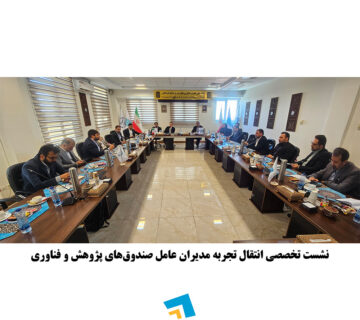
The panel concluded that although tools such as crowdfunding, venture funds, and innovative support mechanisms provide appropriate pathways for financing creative industries, the lack of guarantees, limited marketing knowledge, and the immaturity of some startups remain key obstacles.
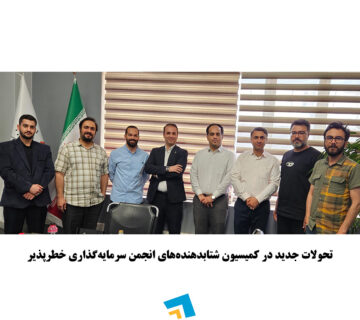
The Iranian Venture Capital Association, as a specialized institution in venture investment, has contributed to the development of the investment ecosystem in innovative and creative
industries. By providing necessary frameworks and mechanisms, the association has played a supportive and policy-making role in facilitating venture capital investment within the country’s innovation ecosystem.



No comment